
Visit to Cultural and
Museum Venues
A wealth of folk arts and crafts has been passed down in the Tianzhushan area and still shines brightly. Among them, Huangmei Opera, the Legend of the Peacock Flying Southeast and the craftsmanship of Han Dynasty mulberry bark paper making are national-level intangible cultural heritage items. The handcrafted Doumu pottery, bamboo weaving of Wanghe Shu mats, puppet show art, folk singing and dancing of the Twelve Flower Gods, Qianshan Tanci (the ancestor of Peking Opera) and the legend of the Two Qiaos are provincial-level ones. These heritage items, the essence of time and crystallization of wisdom, are both witnesses to history and precious cultural resources.
-
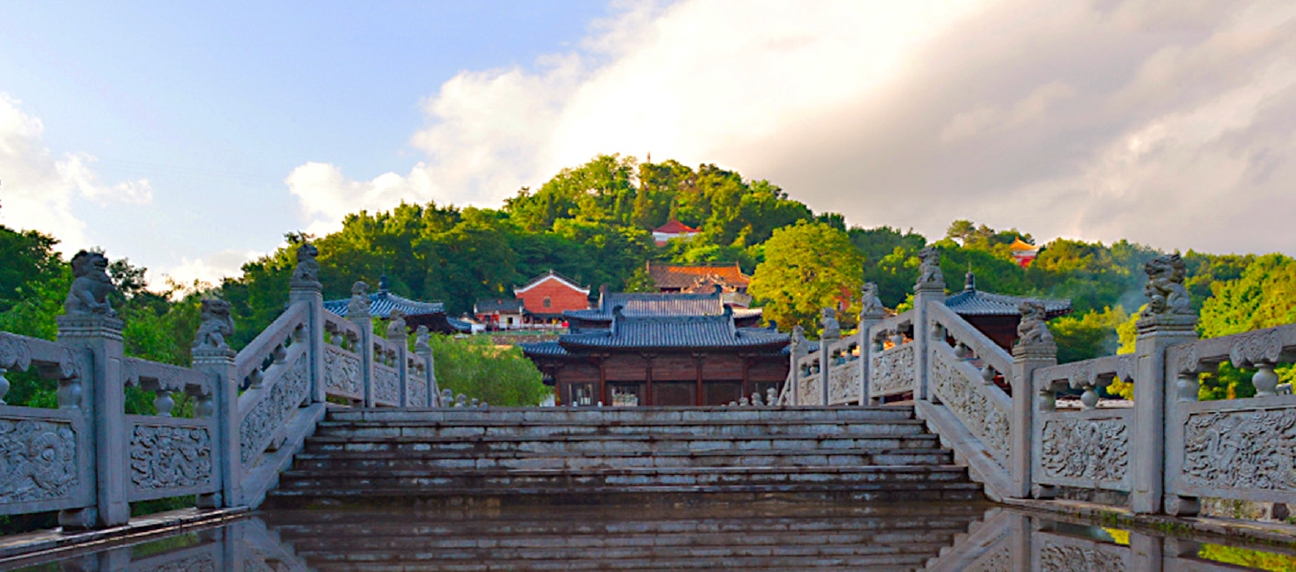 Formerly known as Shangu Temple, Sanzu Temple gained its fame when the Third Patriarch of Zen Buddhism, Sengcan, taught here and passed his mantle to the Fourth Patriarch. Throughout the Tang and Song dynasties, it received numerous imperial titles and honors, flourishing as a spiritual hub. Renowned as a Zen Ancestral Hall, the temple attracted legendary scholars like Wang Anshi and Huang Tingjian. Recognized as a national key Buddhist temple, it remains a paramount site in Chinese Buddhist history, celebrated as the "foremost Zen forest in the south."
- A Sacred Cradle of Zen Buddhism
- Where Imperial Majesty Meets Literary Soul
-
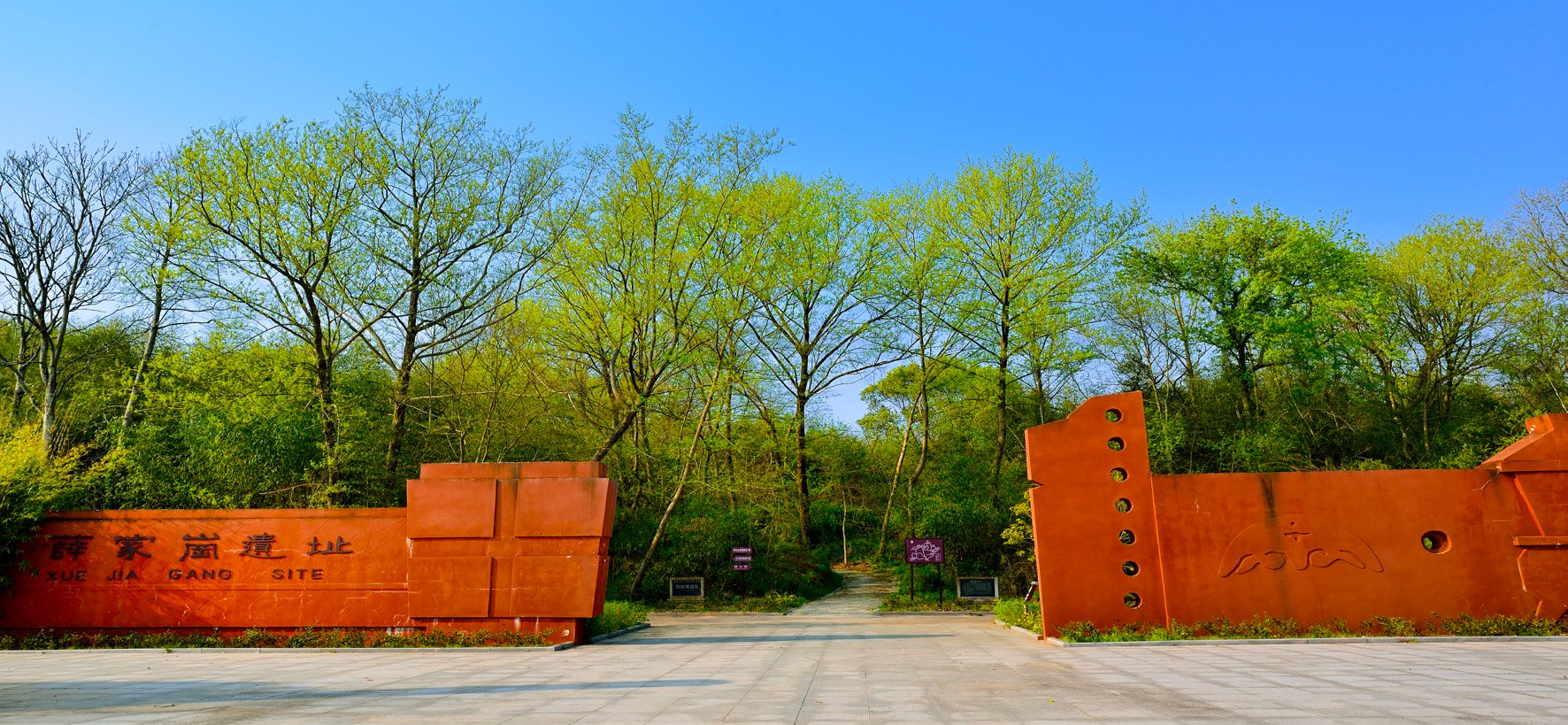 Dating back over 5,000 years, the Xuejiagang Culture site is situated on a plateau in Qianshan, Anhui. Spanning over 100,000 square meters, excavations have uncovered over 100 tombs and 2,000 artifacts. Primarily Neolithic, the site also contains Shang, Tang, and Song remains. As a representative of ancient cultures in the middle and lower Yangtze River, it offers profound insights into Neolithic cultural exchanges with the Yellow River basin. In 1996, it was designated a Major Historical and Cultural Site Protected at the National Level.
- A 5,000-Year Journey Through Time
- Masterpieces of Prehistoric Craftsmanship
-
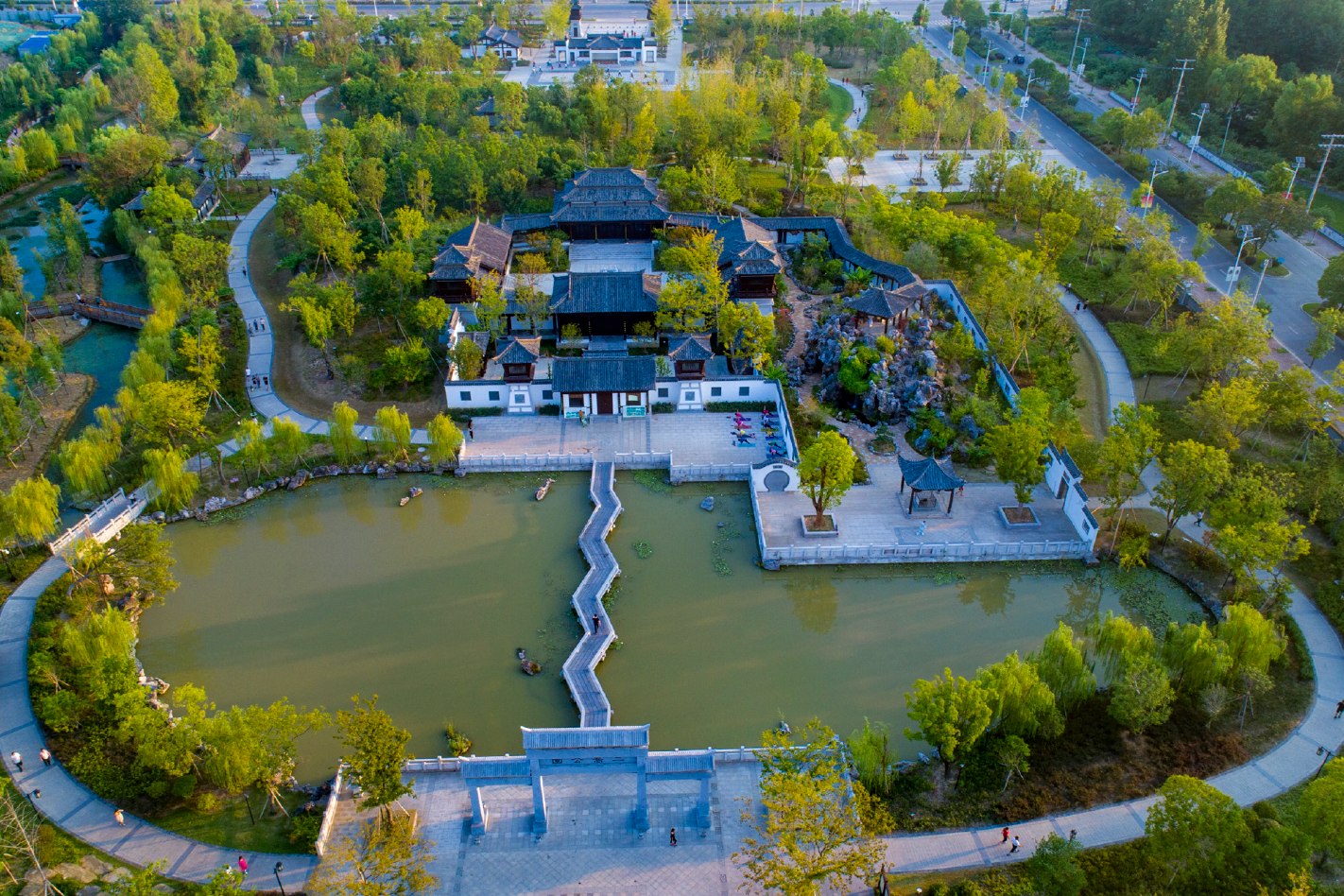 In 1999 AD (the 4th year of the Jian'an era), Sun Ce and Zhou Yu captured Wancheng. There, they met the Two Qiaos, sisters renowned for their peerless beauty. Sun Ce married the elder sister, Da Qiao, while Zhou Yu married the younger, Xiao Qiao. Legend has it that the sisters often used a local well as a mirror to dress their hair. The rouge from their makeup fell into the water, tinting it the color of carmine—hence its name, the "Rouge Well." Today, the Tomb of Lord Qiao and the Rouge Well are preserved within the Two Qiao Park, located on Erqiao Road in downtown Qianshan.
- Legendary Beauties of the Three Kingdoms
- The Enchanting "Rouge Well" & Classical Gardens
-
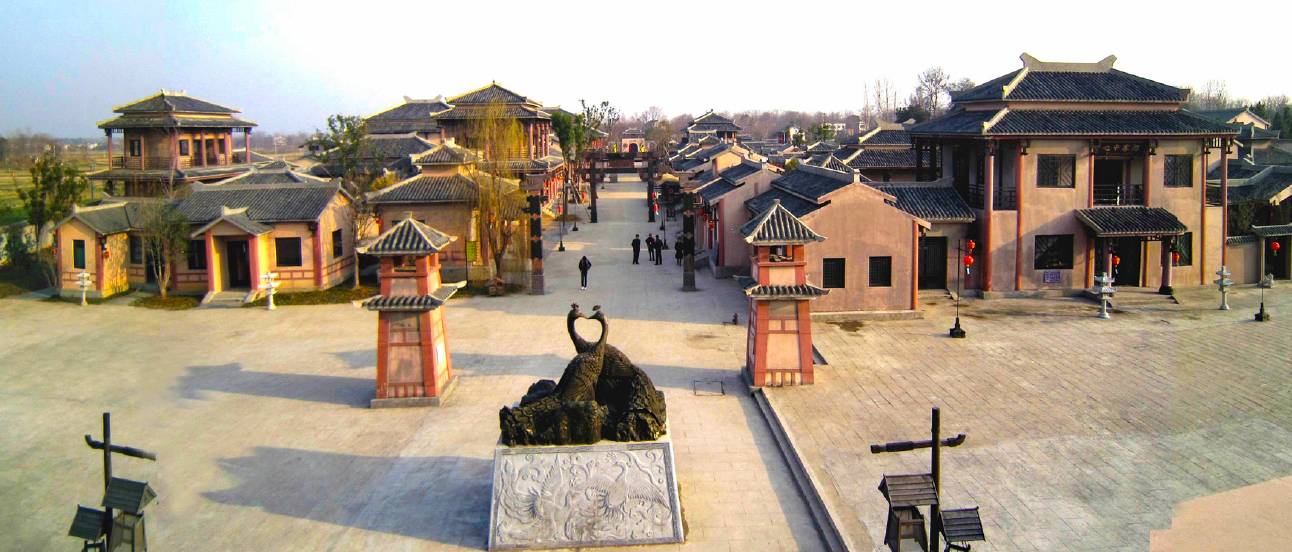 The tragic masterpiece "The Peacock Flies Southeast" is China's first long narrative poem. Alongside "The Ballad of Mulan," it is celebrated as one of the "Two Jewels of Yuefu." This legendary tale, now a National Intangible Cultural Heritage, took place at the border of Qianshan and Huaining. Today, visitors can explore Jiaojiafan, the hometown of protagonist Jiao Zhongqing, or visit the Peacock Tomb, where the lovers are buried together. It remains a poignant site for people to pay their respects to eternal love.
- China’s Ultimate Tale of Eternal Love
- A Journey into Classical Literary Romance