
Intangible
Cultural Heritage
A wealth of folk arts and crafts has been passed down in the Tianzhushan area and still shines brightly. Among them, Huangmei Opera, the Legend of the Peacock Flying Southeast and the craftsmanship of Han Dynasty mulberry bark paper making are national-level intangible cultural heritage items. The handcrafted Doumu pottery, bamboo weaving of Wanghe Shu mats, puppet show art, folk singing and dancing of the Twelve Flower Gods, Qianshan Tanci (the ancestor of Peking Opera) and the legend of the Two Qiaos are provincial-level ones. These heritage items, the essence of time and crystallization of wisdom, are both witnesses to history and precious cultural resources.
-
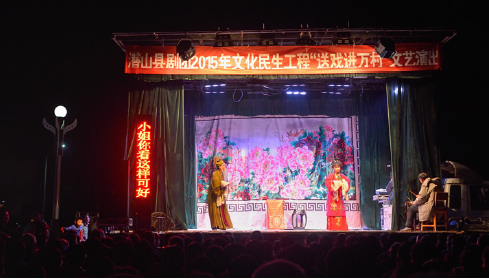 Huangmei Opera, one of China's five major opera genres, originated and flourished in the Anqing area. It is celebrated for its bright, lyrical melodies and expressive, authentic performances. Born from folk traditions, it appeals to both refined and popular tastes. Famous masterpieces include The Fairy Couple and The Female Prince Consort. Recognized for its profound cultural value, Huangmei Opera was included in the National Intangible Cultural Heritage List in 2006, continuing to delight audiences with its simple yet meticulous artistic charm.
- Deep-rooted folk origins with a long continuous vitality
- Rich and diverse vocal styles with profound aesthetic connotations
-
 Qianshan is the birthplace of the tragic legend "Peacocks Flying Southeast," which tells the story of Jiao Zhongqing and Liu Lanzhi’s unwavering devotion. Forced apart by family, they chose to die together rather than betray their vows. This story inspired China’s first great narrative poem, a milestone in Chinese literature. As a pinnacle of Han Dynasty folk songs, the legend was listed as a National Intangible Cultural Heritage in 2014, serving as an eternal symbol of loyalty and romantic sacrifice.
- China's Romeo and Juliet
- China's First Long Narrative Poem
-
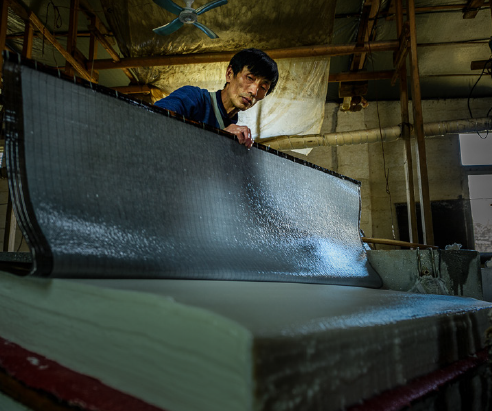 Mulberry bark paper is a renowned handicraft from Qianshan, handmade from mulberry tree fibers. Known for its pale yellow hue and durability, it was historically used for high-grade calligraphy mounting and daily items like umbrellas and fans. Originating in the Han Dynasty, this "living fossil" of papermaking preserves the essence of ancient Chinese craftsmanship. In 2008, the technique was recognized as a National Intangible Cultural Heritage, offering a vital window into the long history and profound evolution of global paper culture.
- Complete craftsmanship evolution with a long continuous artistic lineage
- Rich and diverse applications with profound historical connotations
-
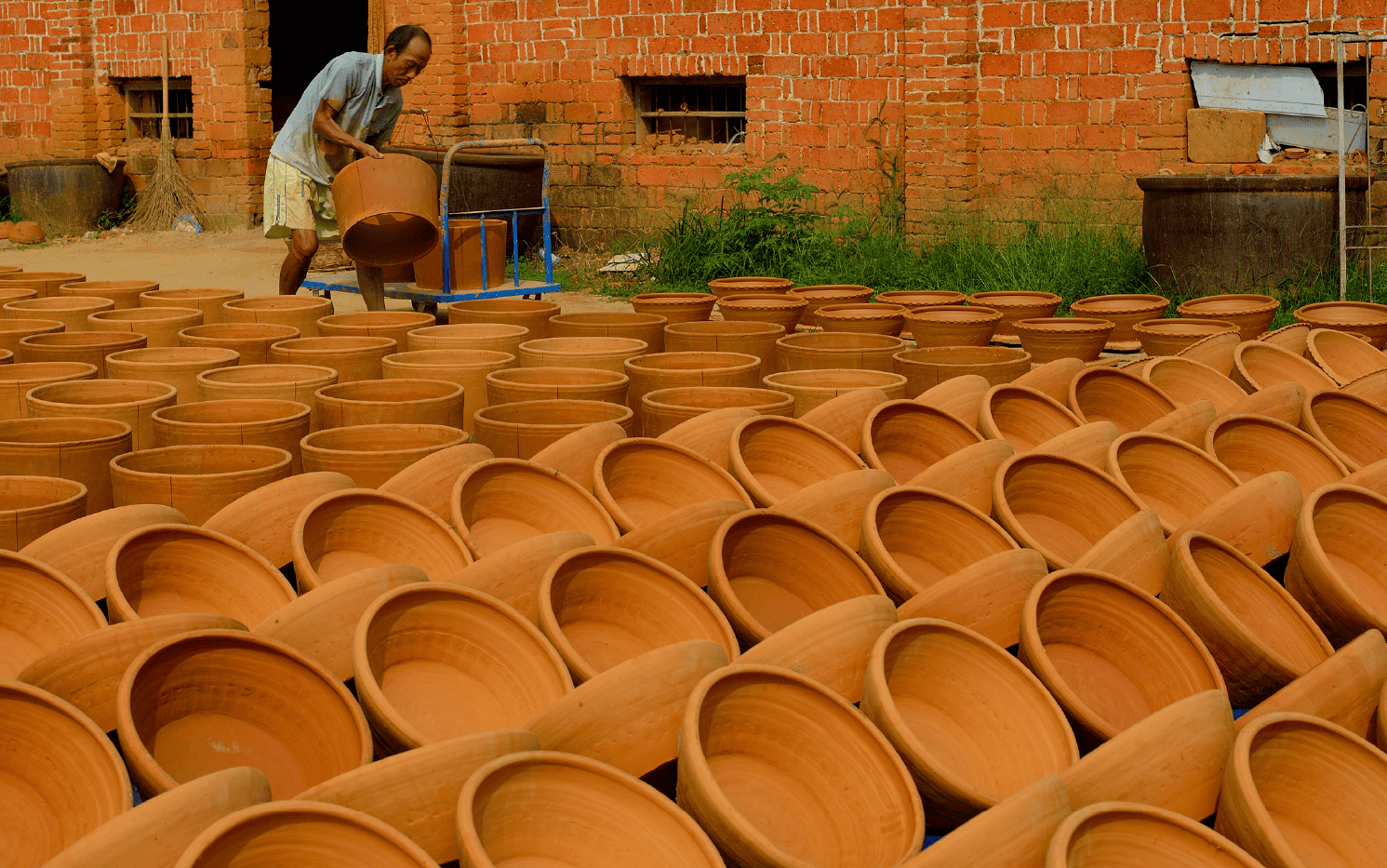 Originating in Qianshan, Doumu Pottery dates back 6,000 years, with roots in the Neolithic Xuejiagang Culture. Crafted from deep-layer red clay, it involves 30 complex handmade steps strictly influenced by local climate. The distinctive seasonal temperatures of Doumu ensure high quality during the 25-day production cycle. These rustic yet durable ceramics are known for their fine texture and longevity. In 2008, the Doumu Pottery Handcrafting Technique was recognized as a Provincial Intangible Cultural Heritage, preserving an ancient tradition of exquisite craftsmanship.
- Deep-rooted cultural lineage with an enduring historical legacy.
- Multifaceted artistic expressions with soul-stirring connotations.